I am an Assistant Professor of Physics (Research) at Brown University and a member of the CMS Collaboration at CERN. I use LHC data to make precision measurements of jets and jet substructure that test Quantum Chromodynamics, and I develop methods from AI, machine learning and optimal transport that make collider simulations and data pipelines more efficient. My group also works on hadronic object reconstruction and calibration, both for the High-Luminosity LHC and for a 10 TeV muon collider concept, where I serve as Deputy Experimental Community Representative of the US Muon Collider Collaboration.
Before Brown, I was a member of the ATLAS Collaboration, including as a Senior Research Fellow at CERN and as convener of the ATLAS Jet/EtMiss combined performance group. I share the 2025 Breakthrough Prize in Fundamental Physics with the ATLAS Collaboration and received the 2022 Wu-Ki Tung Award for Early-Career Research in QCD. I am an affiliate of the NSF Institute for Artificial Intelligence and Fundamental Interactions (IAIFI) and the Brown Data Science Institute, and I teach PHYS 0040 and PHYS 0560.
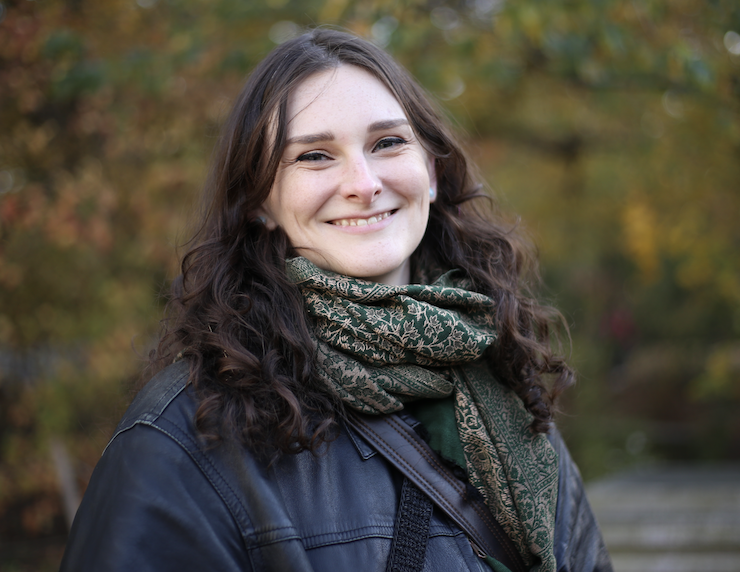
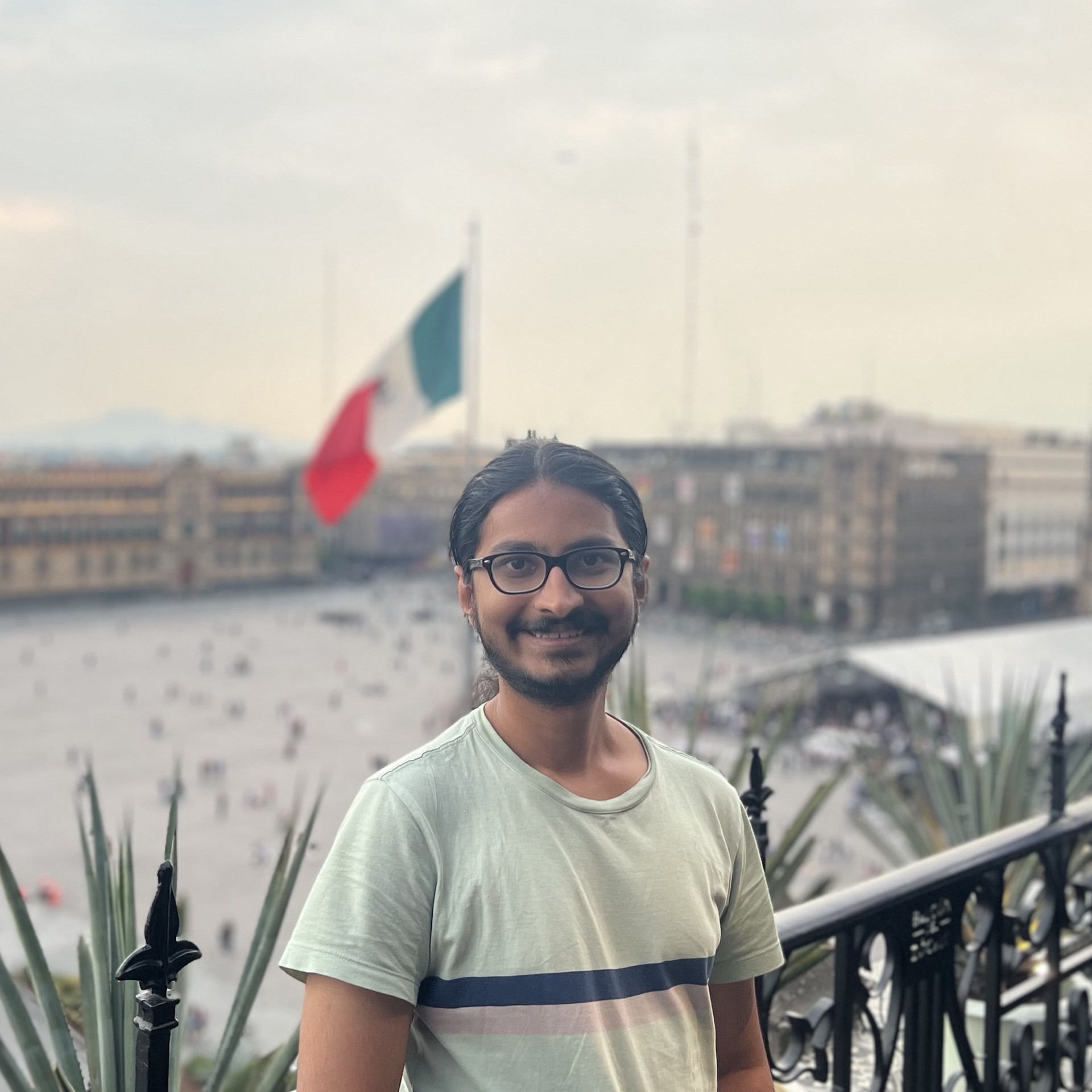
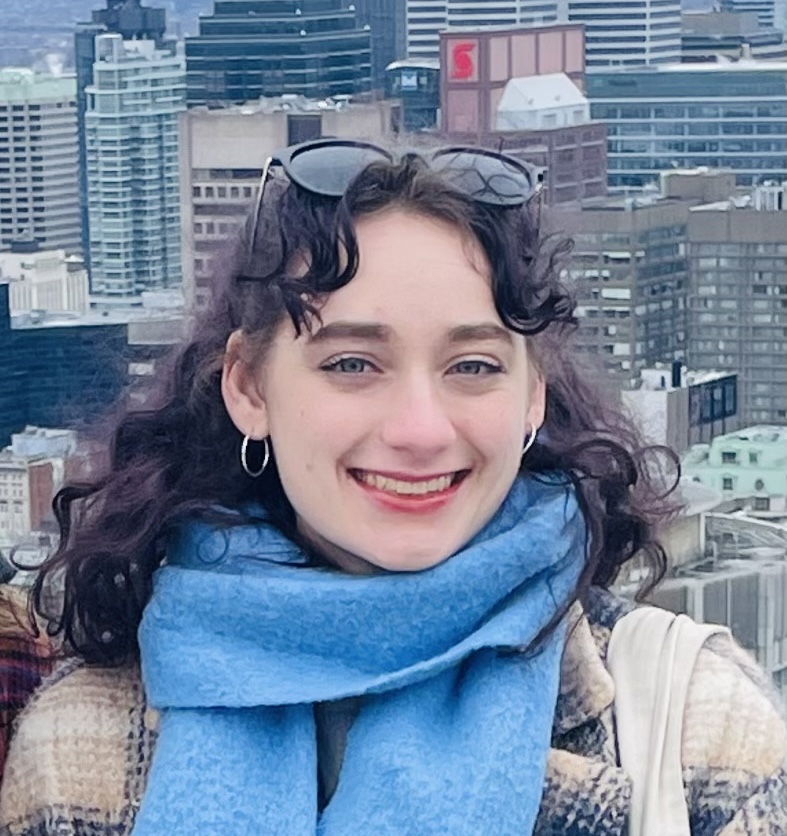
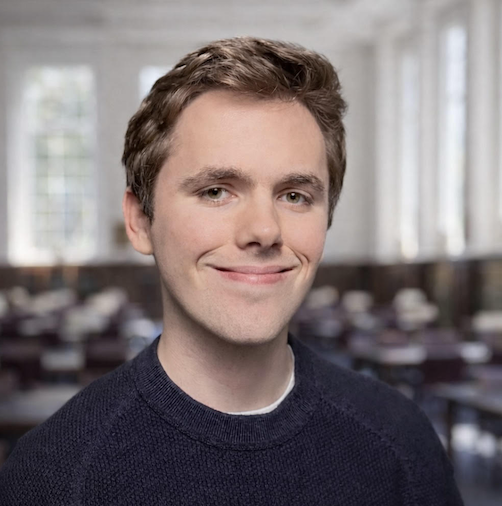
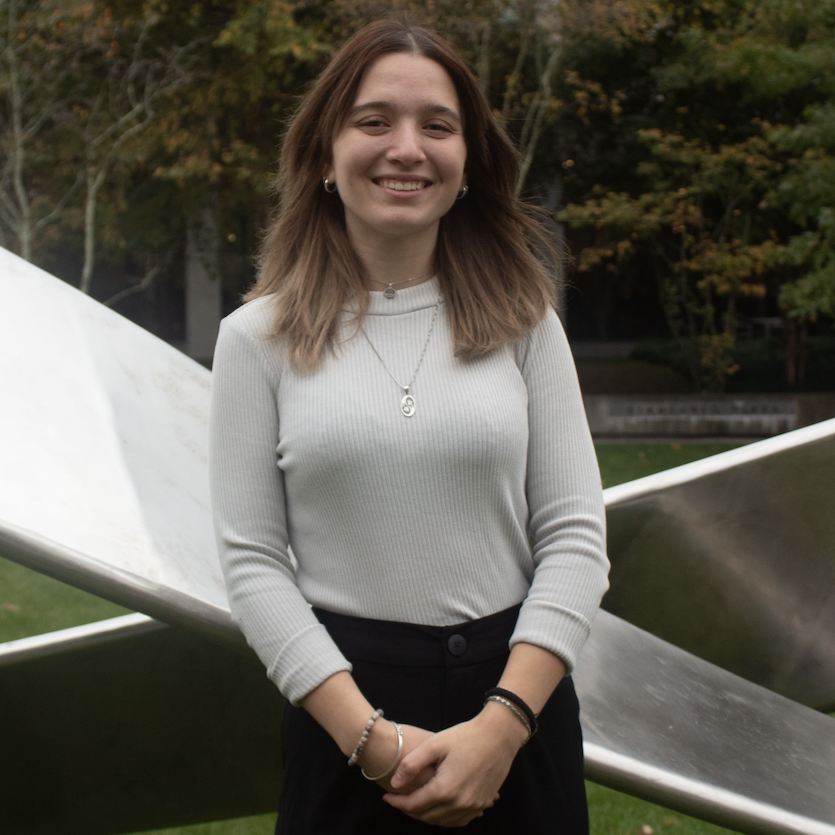
Lauren is a postdoctoral researcher working on applications of artificial intelligence and machine learning in high-energy physics to improve computational workflows and measurements that test QCD. She is the CMS Particle Flow Validation Contact and a 2026-2027 US CMS Computing R&D Initiative awardee, and she won best talk in the Computing, Software and Machine Learning track at New Perspectives 2026. Lauren received her PhD from SUNY Buffalo in 2025.

Rishabh works on applying techniques from optimal transport theory to jets, collider physics, and QCD using both experimental and phenomenological approaches.

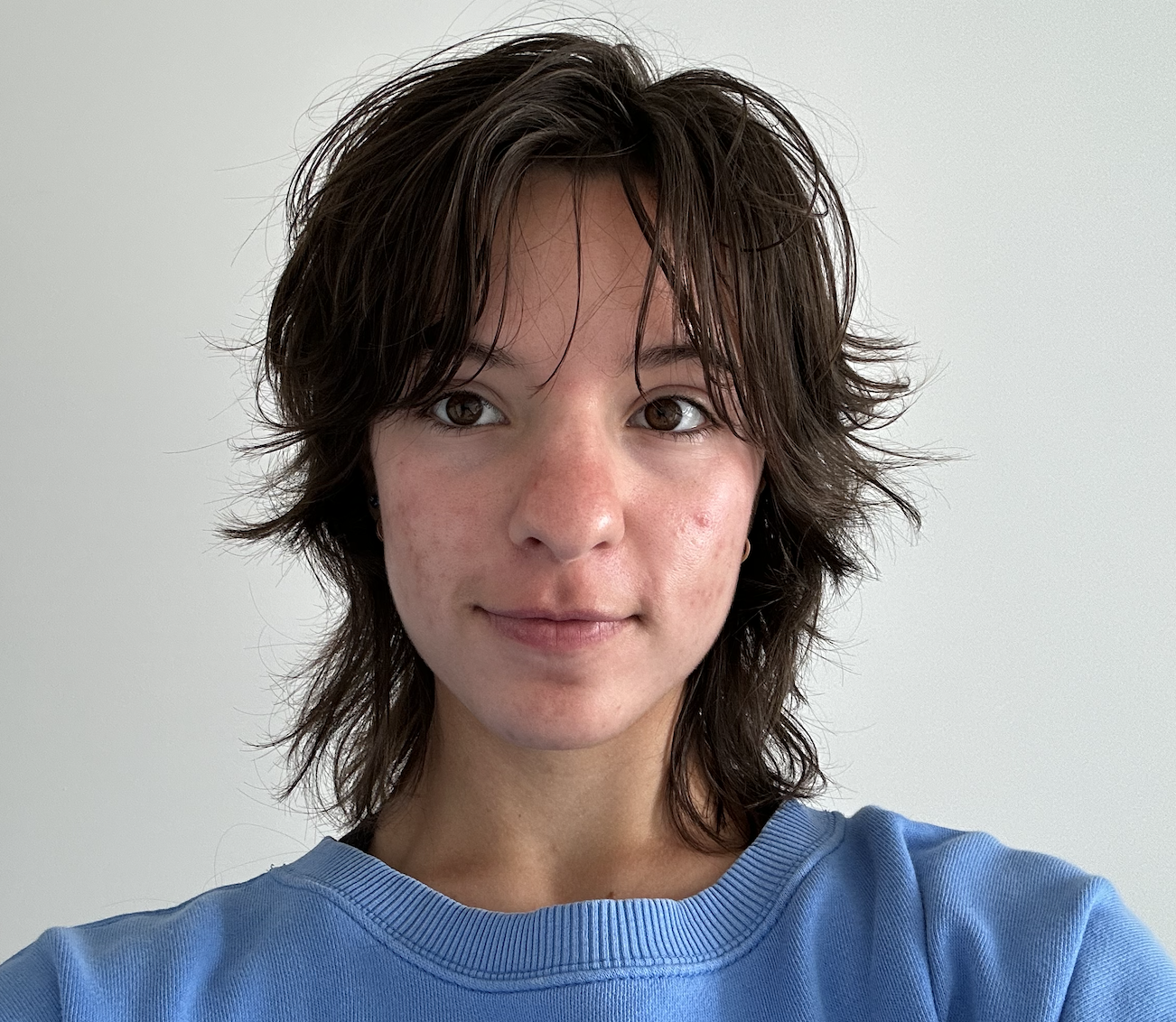
Camille is currently studying the performance of particle track reconstruction at CMS in dense environments (e.g. within the cores of jets).

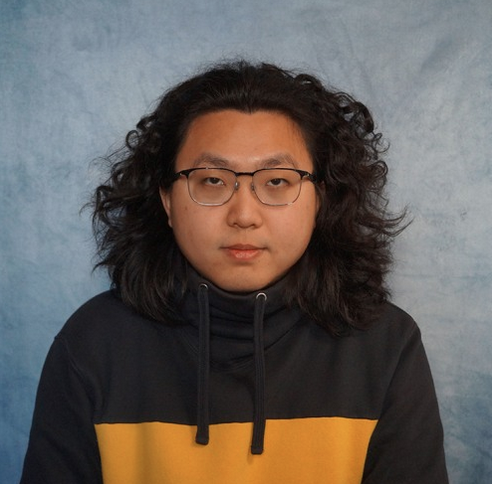
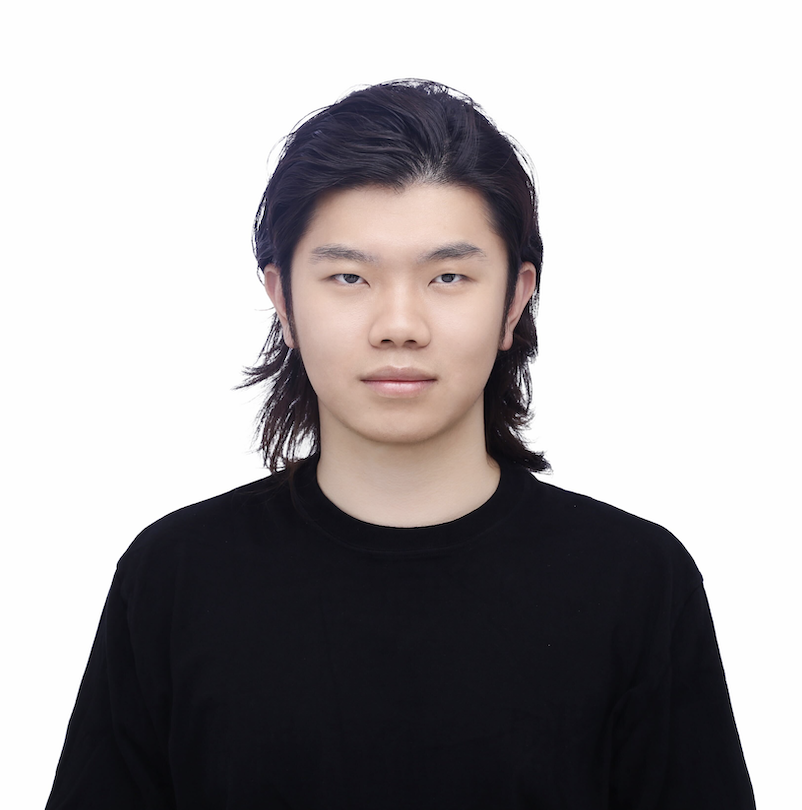
Yuanchen studies applications of AI/ML to jet physics at the LHC. He is currently studying the use of knowledge distillation in jet tagging and the performance of AI-based jet calibrations in CMS.
Thesis: Applications of knowledge distillation in jet tagging at the LHC (ScM, 2025)

Shiyu is working to improve the simulation of beam-induced backgrounds at a future Muon Collider.

Nico is studying the impact of reduced precision data on the training and inference performance of machine learning models for particle physics applications.
Regan is studying the performance of calorimeter cell cluster reconstruction at a future Muon Collider.

Cameron is studying the physics potential of hadronic final states at a future Muon Collider.
Christine is studying the performance of jet algorithms at a future Muon Collider.
Hanting is developing an open-source, Julia-based optimal transport library for particle physics (EnergyFlow.jl).
Henry is studying the statistical properties of beam-induced background overlays at a future Muon Collider.
Moisés studied contrastive-learning approaches to calorimeter cell clustering at a future Muon Collider.

Harry developed software tools in Julia that will improve workflows at future collider experiments.
Thesis: A study of Higgs couplings at a future circular electron-positron collider in the Julia programming language
Grant studied formal field theory and QCD theory calculations, with an emphasis on their connections to jet physics in collider experiments.
Thesis: Massive 1→3 Splitting Functions Without Kinematical Limits
Now: PhD student, Università di Genova, Italy (Simone Marzani)

Ash is studying the application of analysis techniques developed at the LHC to astrophysics datasets.
Austine is studying the universality of Monte Carlo algorithm tunes between lepton and hadron collisions. Previously, Austine developed visualisations of jet algorithms that are used at the LHC.

Ethan contributed to the implementation of the Valencia jet clustering algorithm in JetReconstruction.jl, and studied the performance of flavour tagging algorithms using public datasets.
Kirill contributed to the implementation of ghost-based area calculations in JetReconstruction.jl.

Ema implemented the SoftKiller algorithm in JetReconstruction.jl, and studied its performance in varying pileup conditions.

Shutong studied the performance of lossy compression algorithms on particle-level representations of data.
Thesis: Studies of the effects of lossy compression on hadronic jet reconstruction and classification
Now: GE Healthcare, Yizhuang, China

Gillian applied AI methods to improve data quality monitoring for CMS Tracker operations.
Now: PhD student, SUNY Buffalo

Sam updated the muon collider's reconstruction software to Gaudi, and studied the performance of algorithmic BIB mitigation. Sam's thesis won the Mildred Widgoff Prize for Excellence in Thesis Preparation, and Sam also won a poster prize at the inaugural US Muon Collider Meeting (2024).
Thesis: Investigations into Beam-Induced Background and Mitigation Strategies at a future Muon Collider
Now: PhD student, Harvard University
Grace studied improvements to searches for dark matter at the LHC using optimal transport.